 Back
BackProtein boom boosts demand for milk powder and whey
Lelystad, 17 September 2026 - Protein shakes, protein bars, high-protein yoghurt and even products such as ice cream, snacks and coffee: dairy protein has become increasingly visible in consumers’ everyday shopping baskets in recent years. That popularity is also being felt further up the food chain. Prices for protein-rich dairy ingredients such as milk powder and whey powder are significantly higher than a year ago, according to DCA Market Intelligence.
DCA Market Intelligence compiles 36 weekly price assessments for a broad range of dairy products on the European market, including butter, cream, cheese, mozzarella, milk powders and other dairy ingredients.
The DCA benchmark for skimmed milk powder in Northwest Europe has risen to its highest level since 2022. Since the summer, the price has increased by around 25%. Compared with a year ago, it is now more than 40% higher. Whey powder prices have also risen sharply. Depending on whether the product is intended for food or animal feed, DCA benchmarks are currently around 59% to 94% above their levels of a year ago. The protein trend is not the only factor behind today’s high prices, but it is adding to demand for dairy proteins in a market where available supply is already relatively tight.
From milk powder to chocolate bars
Milk powder and whey may sound like specialist products, but consumers encounter them in many everyday foods. Skimmed milk powder is used as an ingredient in products including chocolate and other confectionery, ice cream, dairy drinks, bakery products and prepared foods.
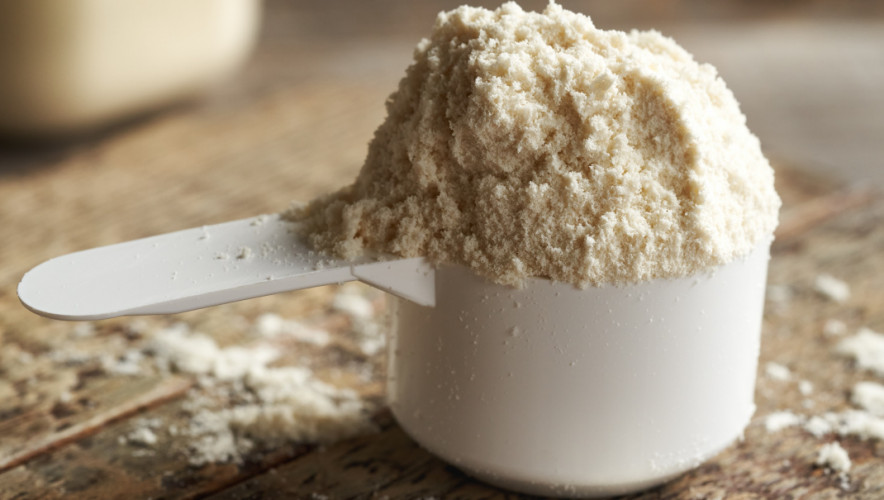
Whey is a by-product of cheese production. The liquid can be dried into whey powder or processed further into highly concentrated proteins such as whey protein concentrate and whey protein isolate. These ingredients are now best known for their use in protein shakes and sports nutrition, but they are also found in products such as protein bars, yoghurt, desserts, infant formula and medical nutrition.
Broad demand for milk powder
Demand for skimmed milk powder is currently strong, both within Europe and from export markets, says Wouter Baan, Dairy Market Specialist at DCA Market Intelligence.
“At the same time, relatively little product is immediately available. Seasonality plays a role in this. Milk production in Europe normally declines at this time of year, which means less fresh milk is available for processing.”

More buyers have also returned to the market following the quieter summer period. At the same time, producers remain cautious about offering large volumes. As a result, available volumes are quickly absorbed by the market.
Baan also points to the high prices for milk powder and whey powder used in animal feed. “Normally, feed product trade below powder intended for human consumption. In week 37, that price gap had almost disappeared. This shows just how broad and strong demand is for available protein-rich ingredients.” A similar pattern is visible in whey powder.
Whey also in strong demand
The link with the current protein trend is particularly clear in whey. Standard whey can be processed further into concentrated proteins with a much higher protein content. These high-value ingredients are widely used in sports nutrition and in products to which manufacturers want to add extra protein.
Prices for these concentrated proteins are on a very different level from standard whey powder. The DCA benchmark for WPC80, a product containing around 80% protein, stood at EUR €23,250 per tonne in week 38. WPI90, which has an even higher protein content, was priced at EUR €28,835 per tonne.

After strong increases earlier this year, these prices have declined in recent weeks. At such elevated price levels, buyers are becoming more selective and food manufacturers are also looking more closely at alternative protein sources.