Potato prices fall below zero
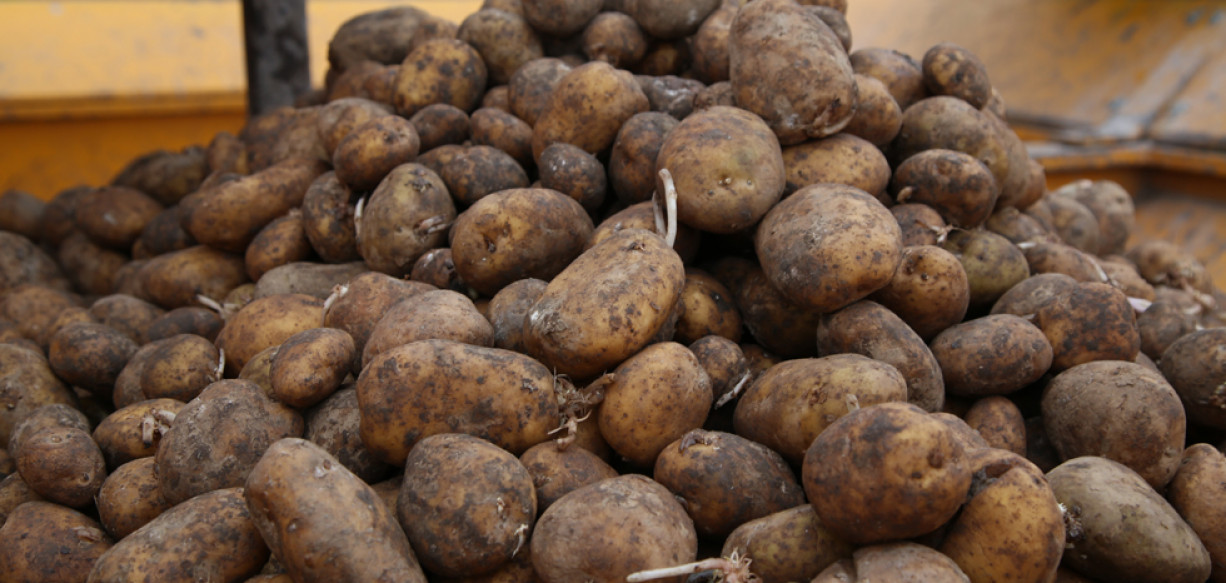
The European potato market is under pressure due to a significant surplus, forcing growers in some cases to pay for the disposal of their product, according to DCA Market Intelligence. The large supply has led to a lack of market outlets, and low prices or even giving potatoes away for free has proven insufficient to reduce inventories.
Dutch arable farmers, along with their counterparts in Belgium, Germany, and France, have significantly expanded potato cultivation over the past two years, driven by strong demand and favorable contract prices from the processing industry. Favorable growing conditions in 2025 resulted in high yields and, consequently, a large harvest.
However, demand for potatoes has clearly weakened. Increasing competition from Asia, import tariffs in the United States, and a weaker dollar have put pressure on the export position of European producers. This has led to a structural surplus.
Price formation reflects this situation. PotatoNL recently recorded prices of €-1.00 to €-2.00 per 100 kilograms for potatoes for animal feed, while prices for French Fry potatoes remain only slightly higher. Due to the surplus, volumes are increasingly being redirected to animal feed and bio-digestion, with disposal costs more frequently falling on growers, partly as a result of rising transport costs.
Time pressure ahead of the new harvest
Although potatoes can technically be stored for long periods, the economic feasibility of doing so is declining. Without prospects for price recovery, growers are choosing to limit storage costs and bring their product to market earlier. “Not everyone can store their potatoes for that long. Moreover, there is currently no outlook for market improvement. As a result, growers are deciding to stop incurring cooling costs,” said Niels van der Boom, potato market specialist at DCA Market Intelligence. This is accelerating additional volumes onto the market, while storage space is needed for the new harvest.
Surpluses in the Netherlands and surrounding countries are substantial. In 2025, the Netherlands harvested approximately 4.2 million tonnes of ware potatoes, 900,000 tonnes more than the previous year. Part of this volume has already been diverted to feed, digestion, or starch processing, but an estimated 500,000 to 600,000 tonnes still remain.
Other countries are facing similarly large surpluses. In Belgium, around 800,000 tonnes remain in storage without buyers; in France, the surplus is estimated at 1 million tonnes; and in Germany, a comparable volume is expected. Based on DCA Market Intelligence estimates (2025), the total surplus in the EU-4 amounts to approximately 3.3 million tonnes.
In Belgium, promotional campaigns are being launched to market potatoes as food, feed, or as a feedstock for biogas. In France, GIPT and Arvalis are working on a protocol for controlled destruction to mitigate health risks.
In the Netherlands, the issue has been discussed, but concrete measures have so far not been implemented. Given the scale of the surplus, broader initiatives are needed to create sufficient capacity for the upcoming harvest in time.
The current situation underscores the need for market participants to realign production, contracting, and marketing strategies with a structurally changed market dynamic.